
Why Flexible Living Spaces Matter
- Jenna Diaz

- May 20
- 2 min read
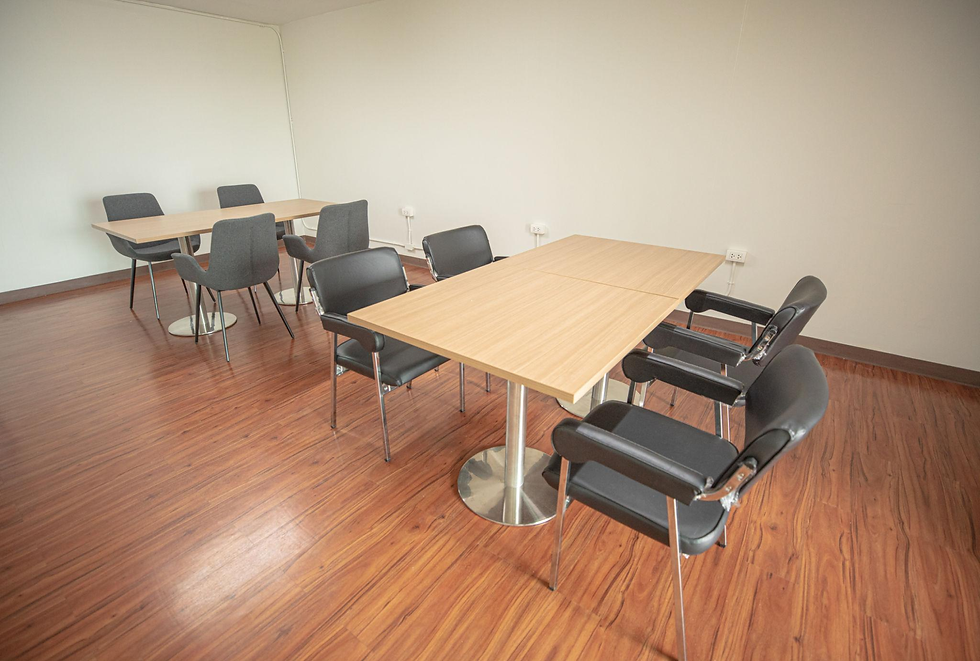
Flexible living spaces have become increasingly important because they allow homeowners to adapt their homes to changing lifestyles, work needs, and family situations. Buyers today often value homes that can serve multiple purposes instead of rooms with only one fixed function.
Adapts to Changing Needs
A flexible space can easily transition over time. A room that starts as a nursery may later become:
A home office
Study area
Guest bedroom
Workout room
Hobby space
This adaptability makes the home more practical for long-term living.
Supports Remote Work and Learning
More people now work or study from home, increasing demand for spaces that can function as productive work areas. Flexible layouts help homeowners create quiet and efficient environments without needing a dedicated office.
Maximizes Smaller Homes
In smaller homes or apartments, every square meter matters. Flexible furniture and layouts help maximize usable space.
Popular solutions include:
Fold-away desks
Murphy beds
Expandable dining tables
Modular furniture
Sliding room dividers
These features help small spaces feel larger and more functional.
Better for Entertaining
Flexible layouts make it easier to host gatherings and accommodate guests. Open-concept living areas can quickly shift between everyday living and entertainment setups.
Movable furniture and adaptable seating arrangements also improve flow and comfort during social events.
Increases Home Value and Appeal
Homes with versatile spaces often attract more buyers because they can suit different lifestyles. Buyers appreciate having options and the freedom to personalize how rooms are used.
Flexible homes may feel more future-proof compared to rigid floor plans.
Encourages Better Organization
Multi-functional spaces often inspire smarter storage solutions and more intentional design choices. Built-in shelves, hidden storage, and modular systems help keep the home organized and clutter-free.
Supports Multi-Generational Living
Flexible rooms can help families accommodate:
Aging parents
Returning adult children
Young children
Long-term guests
This makes the home more adaptable to family changes over time.
Improves Daily Comfort
Flexible spaces allow homeowners to customize their environment based on their routines and preferences. A home that adjusts to changing activities often feels more comfortable and efficient.
Flexible living spaces matter because they help homeowners make the most of their homes, improve functionality, support modern lifestyles, and adapt to future needs without requiring major renovations.


Comments