
Essential Moving Day Tips for a Smooth Stress Free Move
- Jenna Diaz

- 15 hours ago
- 5 min read
Moving day has a way of turning tiny things into big problems. The tape disappears. Someone packs the phone charger. The moving truck shows up while you're still wiping out the fridge.
The good news is that most moving day chaos can be avoided with a little planning and a few smart habits. You don’t need a perfect system. You just need to make the day easier for tired humans carrying heavy boxes.

Pack a first night box before anything else
If you only do one thing before moving day, make a first night box. This is the box you keep with you, not buried in the moving truck.
Think of it like a travel bag for your house. You’ll be tired when you arrive, and digging through twenty boxes for toilet paper is nobody’s idea of a fresh start.
Pack things like:
Toilet paper and hand soap
Phone chargers
Medications
Pajamas and a change of clothes
Basic toiletries
Paper towels and trash bags
Pet food, leashes, or litter supplies
Snacks and bottled water
A few paper plates, cups, and utensils
Basic tools, like a screwdriver and box cutter
If you have kids, add comfort items, a favorite blanket, simple toys, and anything needed for bedtime. If you have pets, keep their supplies close and try to set up one quiet room for them as soon as you arrive.
Label this box clearly with Open First on every side. Better yet, put it in your car instead of the truck.
Label boxes like future you is tired
The best labeling system is the one you can understand when your brain is done for the day. Don’t just write “kitchen.” Write what’s inside.
A box labeled “Kitchen, coffee maker, mugs, filters” is much more helpful than a mystery box with one vague word on it.
Use a thick marker and label at least two sides of every box. That way, you can still read it when boxes are stacked. If you want to go a step further, use colored tape or stickers for each room.
Here’s a simple system that works:
Room | Label example |
Kitchen | Plates, bowls, everyday glasses |
Bedroom | Sheets, pillows, nightstand items |
Bathroom | Towels, toiletries, shower curtain |
Living room | Remote controls, books, lamp cords |
Take photos of electronics before unplugging them, especially TV cables, gaming systems, and internet equipment. It takes ten seconds and can save you a lot of guessing later.

Make the actual moving day easier on everyone
Moving day runs better when the paths are clear, the schedule is loose enough for delays, and everyone knows the basic plan.
Before movers or helpers arrive, walk through the home and clear the main paths. Move shoes, rugs, toys, cords, plants, and anything else that could trip someone. Prop doors open if it’s safe to do so. Protect floors with old towels, flattened boxes, or floor runners, especially if the weather is rainy or snowy.
If you hired movers, be ready when they arrive. Packed boxes should be sealed, labeled, and easy to reach. Movers can work faster when they’re not waiting on last-minute packing.
Keep these items out of the truck:
Wallets and IDs
House keys and car keys
Important documents
Medications
Laptops and tablets
Jewelry or small valuables
Cleaning supplies you’ll need right away
Plan for food too. Moving takes more energy than people expect. Keep easy snacks around, like granola bars, fruit, sandwiches, or crackers. A cooler with drinks can help, especially during a summer move.
One of the most practical moving day tips is to load your bed frame, mattress, sheets, and pillows in a way that makes them easy to access. At the end of the day, having a real place to sleep matters more than unpacking every box.
Do a final walk-through before you leave
Before you lock the door for the last time, do one slow lap through the home. This is not the time to rush. Check every closet, cabinet, drawer, shelf, garage corner, attic space, basement area, and outdoor storage spot.
People commonly forget:
Shower curtains
Garage tools
Items in the dishwasher
Laundry in the washer or dryer
Charging cables still plugged into outlets
Curtains or rods they planned to take
Trash left in bathrooms or closets
Frozen food in the freezer
Take photos of empty rooms after everything is out, especially if you’re leaving a rental. Photos can also help if there are questions later about the home’s condition.
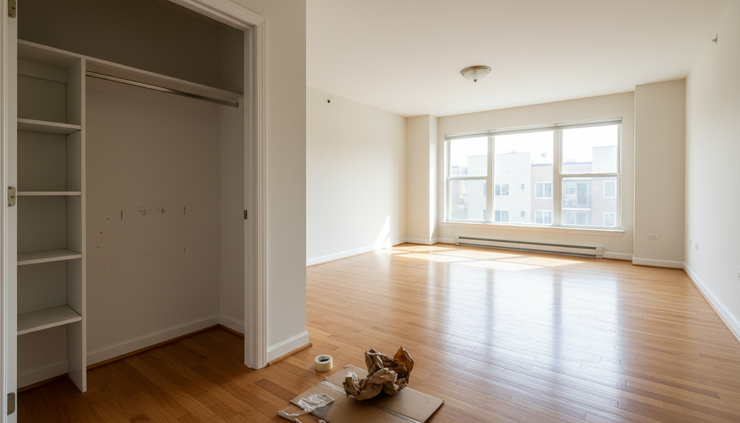
If you’re selling your home, leave behind anything agreed on in the contract, such as garage remotes, appliance manuals, spare keys, or warranty information. Put them in one easy-to-find spot, like a kitchen drawer or countertop.
Set up your new place in the right order
When you arrive, don’t try to unpack everything at once. Start with the rooms and items that make the first night livable.
A good order looks like this:
Beds
Bathroom basics
Kitchen essentials
Pet or kid spaces
Clothes for the next day
Internet equipment, if needed
Put boxes in the right rooms from the start. It saves you from moving them twice later. If friends or movers are helping, stand near the entrance for a few minutes and direct boxes as they come in.
Don’t worry about decorating right away. Hang towels. Make beds. Plug in lamps. Find the coffee maker. That’s enough for day one.
If your move is tied to buying or selling a home and you want help planning the next step, you can contact Jenna Marie for real estate guidance.
Frequently Asked Questions
What should I do the night before moving day?
Finish packing everything except daily essentials, charge your phone, set aside your first night box, and confirm timing with movers or helpers. Try to get more sleep than you think you need.
Should I empty dresser drawers before moving?
Ask your movers first. Some allow light clothing to stay in drawers, while others prefer everything empty. Remove anything fragile, heavy, valuable, or spillable either way.
How early should I start packing?
Start with storage areas, seasonal items, and rarely used things a few weeks ahead if you can. Save everyday kitchen, bathroom, and bedroom items for last.
What should I clean before leaving?
Wipe counters, sweep floors, empty trash, clean bathrooms, and remove food from the fridge and freezer. If you’re renting, check your lease for any specific cleaning rules.

A calmer move starts with the basics
A smooth move doesn’t come from doing everything perfectly. It comes from making the day easier before it gets busy.
Pack the things you’ll need right away. Label boxes clearly. Keep valuables with you. Walk through the old place slowly. Set up beds and bathrooms first.
If you can do those few things, your moving day will feel a lot less frantic and your first night will feel much more like home.


Comments