
Tiny Homes: Trend or Future?
- Jenna Diaz

- Jul 7
- 3 min read
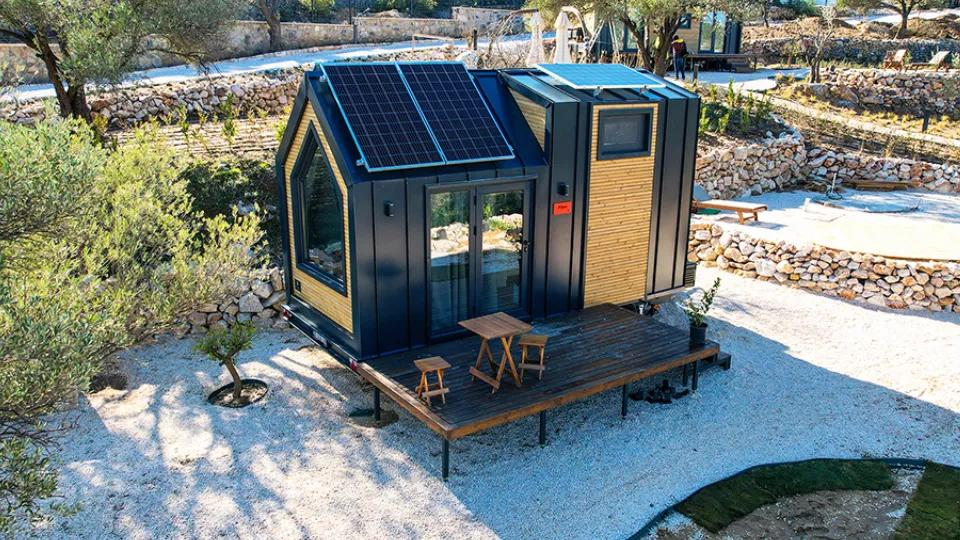
Tiny homes have captured the attention of homeowners, investors, and minimalists alike. What started as a niche movement has evolved into a growing segment of the housing market, driven by rising home prices, sustainability concerns, and a desire for simpler living. But are tiny homes just a passing trend, or do they represent the future of housing?
What Is a Tiny Home?
A tiny home is generally defined as a residential dwelling that measures less than 400 square feet. Despite their small size, these homes often include full kitchens, bathrooms, living areas, and sleeping spaces designed to maximize efficiency.
Many tiny homes are built on wheels for mobility, while others are placed on permanent foundations.
Why Tiny Homes Are Growing in Popularity
Affordability
One of the biggest advantages of tiny homes is their lower cost compared to traditional houses. As home prices continue to rise in many markets, tiny homes offer an alternative path to homeownership.
Lower purchase prices often mean:
Smaller mortgages or no mortgage at all
Reduced property taxes
Lower utility bills
Lower maintenance costs
Simpler Living
Many people are embracing minimalist lifestyles and seeking freedom from excessive possessions. Tiny homes encourage intentional living by focusing on necessities rather than unused space.
Sustainability
Tiny homes typically consume fewer resources than traditional houses. Benefits include:
Reduced energy consumption
Smaller environmental footprint
Lower water usage
Fewer construction materials
Many owners also incorporate solar power, rainwater collection systems, and energy-efficient appliances.
Challenges of Tiny Home Living
While tiny homes offer many advantages, they aren't ideal for everyone.
Limited Space
Storage can be challenging, especially for families or individuals with extensive belongings.
Zoning and Regulations
Local zoning laws and building codes can limit where tiny homes may be placed. Regulations vary significantly between communities.
Financing Difficulties
Some lenders do not offer traditional mortgages for certain types of tiny homes, particularly those built on wheels.
Resale Considerations
The market for tiny homes continues to grow, but resale opportunities may still be more limited than for conventional homes in some areas.
Who Is Buying Tiny Homes?
Tiny homes appeal to a wide range of buyers, including:
First-time homebuyers
Retirees seeking to downsize
Remote workers
Eco-conscious consumers
Investors creating rental properties
Individuals pursuing financial independence
The flexibility of tiny homes makes them attractive across multiple demographics.
Tiny Home Communities
An increasing number of communities are being developed specifically for tiny home residents. These neighborhoods often feature:
Shared green spaces
Community gardens
Walking trails
Sustainable infrastructure
Strong neighborhood connections
Tiny home communities can provide the benefits of homeownership while fostering a sense of community.
Are Tiny Homes the Future?
While tiny homes are unlikely to replace traditional housing entirely, they are becoming an important part of the housing landscape. Factors supporting their continued growth include:
Rising housing costs
Demand for affordable housing
Sustainability initiatives
Remote work flexibility
Interest in minimalist lifestyles
Many experts believe tiny homes will become one of several housing solutions that help address affordability and environmental concerns.
Final Thoughts
Tiny homes are more than just a lifestyle trend—they represent a shift in how many people think about housing, affordability, and sustainability. While they may not be the perfect solution for everyone, their popularity continues to grow as buyers seek alternatives to traditional homeownership.
As housing needs evolve and communities adapt, tiny homes are likely to play an increasingly important role in the future of residential real estate.


Comments